I keep coming back to Long Island City when I need a view that hasn’t been smoothed out for consumption yet. Before the glass towers arrived, before the luxury rentals, this neighborhood was steel and smoke — and honestly, it still is if you know where to stand. Long Island City doesn’t dress up for visitors. That’s exactly why I keep coming back.
The steel structures scattered across Long Island City — bridges, gantries, tracks, cranes, and old factory frames — rise like mechanical mountains against the sky. They are the neighborhood’s hidden peaks: monuments to the labor, industry, and movement that once powered New York City.
A Landscape Built for Work
Long Island City was never designed to impress tourists. It was built to move goods, connect rail lines, and support manufacturing. Factories operated day and night while freight trains crossed elevated tracks carrying materials into Manhattan and beyond.
The neighborhood became one of New York’s industrial engines.
Massive steel frameworks shaped the landscape:
- Rail bridges stretching above traffic
- Power stations and smokestacks
- Warehouse skeletons of iron and brick
- Gantries towering beside the East River
- Elevated tracks casting shadows across streets
These structures were functional first, beautiful second.
Yet over time, that raw utility developed its own kind of visual poetry.
The Geometry of Industry
Walking through Long Island City today feels like moving through layers of New York history at once. Modern towers rise beside aging industrial buildings while steel infrastructure cuts across the skyline in sharp angles and heavy lines.
The neighborhood’s “steel peaks” dominate the horizon in unexpected ways. Unlike Manhattan’s polished skyscrapers, these structures feel rugged and exposed. Rivets, rust, cables, beams, and weathered metal remain visible — reminders of a city built through physical labor and engineering.
Photographers and filmmakers are often drawn to these industrial forms because they create dramatic contrasts:
- Steel against glass
- Rust against reflected sunlight
- Heavy infrastructure beside luxury developments
- Old machinery beneath modern skylines
Long Island City feels unfinished in the best possible way.
The Queensboro Bridge: A Giant Above the Streets
Perhaps no structure captures this industrial spirit more than the Queensboro Bridge.
Stretching across the East River, the bridge towers above Long Island City like a steel mountain range suspended in midair. Its intricate latticework and massive beams dominate nearby streets, casting shifting shadows over traffic, pedestrians, and train lines below.
Standing beneath the bridge, the scale becomes overwhelming. Every rivet and steel arch reflects an era when infrastructure was designed not only for efficiency but permanence.
The bridge is loud, heavy, and unapologetically industrial — exactly like the neighborhood surrounding it.
Industry Meets Reinvention
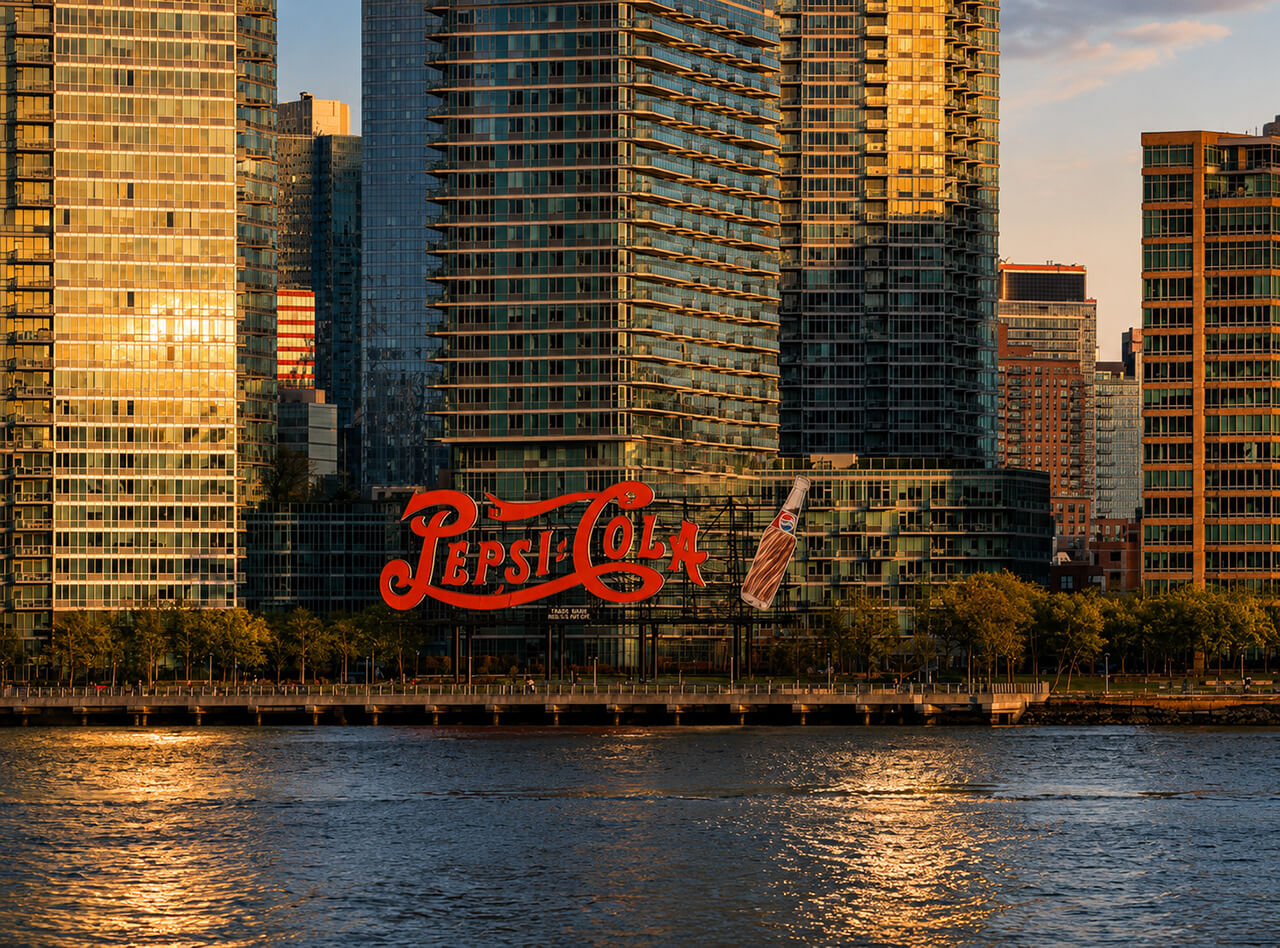
In recent years, Long Island City has transformed rapidly. Glass residential towers now rise along the waterfront while art galleries, cafés, and creative studios occupy former warehouses.
Yet unlike some redeveloped neighborhoods, Long Island City has not completely erased its industrial character.
Construction cranes still swing across the skyline.
Freight trains still pass through rail corridors.
Factories and workshops still operate beside modern developments.
The old and new exist side by side.
That tension gives the neighborhood its energy.
Beauty in the Unpolished
There is a unique beauty to industrial spaces that cities often overlook. The steel peaks of Long Island City are not traditionally elegant, but they tell a story about movement, labor, and transformation.
They remind visitors that New York was not built solely through finance or luxury — it was built through shipping yards, rail lines, factories, and workers who shaped the city with steel and machinery.
Long Island City still carries that memory in its streets.
Sunset on the Steel Skyline
As evening falls, the industrial landscape changes again. Sunlight reflects off metal beams while bridges and cranes become dark silhouettes against the sky. The glass towers glow beside aging warehouses, creating a skyline that feels both futuristic and historic at once.
Long Island City doesn’t dress up for visitors. That’s exactly why I keep coming back.